
About the Asia-Pacific Islamic Caucus
The Asia-Pacific Islamic Caucus (APIC) is a transnational, non-governmental, non-partisan, non-profit civic and intellectual platform dedicated to connecting Muslim communities, scholars, academics, professionals, entrepreneurs, researchers, educators, youth, women, community organizations, and institutions throughout South Asia, Southeast Asia, and East Asia.
The Caucus provides a platform for dialogue, knowledge exchange, research, education, innovation, professional networking, humanitarian cooperation, community development, cultural engagement, and constructive interaction with wider society. It seeks to strengthen connections among the diverse Muslim communities of the Asia-Pacific region while respecting differences in nationality, culture, language, ethnicity, jurisprudential tradition, institutional affiliation, and individual perspective.
The Asia-Pacific Islamic Caucus does not seek to replace existing Islamic organizations, mosques, religious institutions, universities, professional associations, community organizations, or governmental institutions. Rather, it seeks to provide an additional transnational platform through which individuals and institutions can communicate, cooperate, exchange knowledge, and develop initiatives of common interest.
Vision
The vision of the Asia-Pacific Islamic Caucus is to contribute to the development of a connected, knowledgeable, innovative, peaceful, socially responsible, and globally engaged Muslim community throughout the Asia-Pacific region.
The Caucus envisions Muslim communities contributing positively to the intellectual, scientific, technological, educational, cultural, humanitarian, social, and economic development of the societies in which they live.
Mission
The mission of the Asia-Pacific Islamic Caucus is to facilitate meaningful cooperation among Muslim communities and institutions throughout South Asia, Southeast Asia, and East Asia.
Through dialogue, research, education, innovation, professional engagement, and community initiatives, the Caucus seeks to create opportunities for individuals and organizations to exchange knowledge and develop practical programs addressing contemporary challenges.
The Caucus also seeks to encourage constructive relationships between Muslim communities and wider society, including academic institutions, civil-society organizations, professional bodies, humanitarian organizations, cultural institutions, businesses, research centers, and communities of different religious and cultural backgrounds.
Core Principles
The activities of the Caucus are guided by peace, human dignity, mutual respect, intellectual integrity, cooperation, inclusion, ethical leadership, community service, innovation, and non-partisanship.
The Caucus recognizes that Muslim communities across the Asia-Pacific region are exceptionally diverse. Its approach therefore emphasizes cooperation while respecting differences in nationality, ethnicity, language, culture, religious tradition, historical experience, and institutional affiliation.
The principal principles include:
Peace and peaceful coexistence
Human dignity and social responsibility
Knowledge, education, and research
Mutual respect and inclusion
Ethical leadership and institutional integrity
Community service and humanitarian responsibility
Science, technology, and responsible innovation
Non-partisanship and institutional independence
Geographic Scope
The Asia-Pacific Islamic Caucus encompasses Muslim communities and institutions throughout South Asia, Southeast Asia, and East Asia.
For purposes of its institutional framework, the Caucus recognizes the following countries and states within its geographic scope.
South Asia
The South Asian component includes:
 Afghanistan
 Bangladesh
 Bhutan
 India
 Maldives
 Nepal
 Pakistan
 Sri Lanka
The Caucus recognizes the substantial diversity of South Asian Muslim communities, including communities with longstanding historical roots as well as contemporary academic, professional, business, migrant, and diaspora networks.
South Asia represents an important area for cooperation in education, healthcare, technology, economic development, humanitarian affairs, research, culture, youth development, and community engagement.
Southeast Asia
The Southeast Asian component includes:
 Brunei
 Cambodia
 Indonesia
 Laos
 Malaysia
 Myanmar
 Philippines
 Singapore
 Thailand
 Timor-Leste
 Vietnam
The Southeast Asian region contains some of the world's largest and most diverse Muslim communities and has a long history of interaction among Islamic, indigenous, Asian, and international cultures.
The Caucus seeks to support regional dialogue and cooperation among Muslim communities, educational institutions, businesses, researchers, professionals, youth, humanitarian organizations, and civil-society institutions throughout Southeast Asia.
East Asia
The East Asian component includes:
 China
 Japan
 Mongolia
 North Korea
 South Korea
The Caucus recognizes the presence and diversity of Muslim communities throughout East Asia and seeks to provide opportunities for academic, professional, cultural, research, humanitarian, and community-level engagement.
The East Asian component may also serve as a bridge between Muslim communities and broader academic, scientific, technological, business, and cultural networks throughout the region.
Libraries, Museums & Islamic Institutes of the Region
A visual layer connecting the caucus mission with Islamic libraries, museums, institutes and knowledge-centered spaces.


Regional Scope & Institutional Profile
Animated statistics and charts based directly on the geographic, programmatic and institutional content stated on this caucus page.
Total Geographic Scope
The Asia-Pacific Islamic Caucus therefore encompasses 24 countries across its three principal subregions:
8 countries in South Asia
11 countries in Southeast Asia
5 countries in East Asia
This geographic framework is intended to provide the Caucus with a clear institutional identity while allowing cooperation with organizations and communities beyond its core geographic structure through partnerships, collaborative programs, academic networks, and observer or associate arrangements where appropriate.
Regional Character
The Asia-Pacific region is characterized by extraordinary linguistic, cultural, ethnic, religious, economic, and political diversity.
The Caucus therefore seeks to build cooperation without attempting to create uniformity. Its purpose is to establish a common platform where Muslim communities can share knowledge and experience while maintaining their distinct national, cultural, religious, and institutional identities.
The Caucus recognizes that Muslim communities in Bangladesh, India, Pakistan, Indonesia, Malaysia, China, Japan, Korea, the Philippines, and other countries of the region have different histories and contemporary circumstances. Cooperation should therefore be based on mutual respect, voluntary participation, shared interests, and constructive dialogue.
Strategic Purpose
The Asia-Pacific Islamic Caucus seeks to develop a long-term network through which Muslim communities can exchange experience, expertise, knowledge, and resources.
Its purpose extends beyond religious or theological discussion to include education, research, science and technology, healthcare, entrepreneurship, humanitarian development, culture, youth development, women's participation, professional cooperation, environmental sustainability, and international dialogue.
The Caucus recognizes that Muslims throughout the Asia-Pacific region contribute to virtually every major field of contemporary society. Academics, scientists, physicians, engineers, technology professionals, educators, entrepreneurs, lawyers, economists, researchers, students, artists, community workers, and humanitarian professionals can all contribute to a stronger and more connected regional network.
Education and Academic Development
Education is one of the principal areas of focus of the Caucus. It seeks to encourage academic cooperation among universities, colleges, research institutions, Islamic educational organizations, scholars, teachers, and students throughout the region.
Potential activities may include academic conferences, seminars, lectures, research collaboration, scholarship programs, student exchanges, professional development, mentoring, academic publications, and institutional partnerships.
The Caucus may establish an Asia-Pacific academic and research network connecting Muslim scholars and researchers across South Asia, Southeast Asia, and East Asia.
Such a network can facilitate interdisciplinary research and encourage cooperation between Islamic studies and contemporary fields such as science, technology, economics, public health, international relations, social sciences, law, business, engineering, and environmental studies.
Research and Knowledge Development
The Caucus seeks to promote research addressing issues relevant to Muslim communities and wider society throughout the Asia-Pacific region.
Research may examine education, social development, migration, public health, economics, technology, youth, women, culture, community development, Islamic thought, interfaith relations, environmental sustainability, economic development, digital transformation, and other contemporary issues.
The Caucus may support research papers, academic publications, policy studies, conferences, working papers, knowledge repositories, research fellowships, and collaborative research projects.
All research activities should emphasize academic integrity, responsible scholarship, transparent methodology, evidence-based analysis, and respect for differing perspectives.
Science, Technology and Innovation
Science and technology represent another important area of engagement.
The Caucus seeks to encourage Muslim participation in scientific research, engineering, information technology, artificial intelligence, digital transformation, healthcare innovation, environmental technology, biotechnology, and other emerging fields.
The Asia-Pacific region contains some of the world's major scientific, technological, manufacturing, and innovation ecosystems. The Caucus seeks to create opportunities for Muslim scholars, researchers, students, professionals, entrepreneurs, and institutions to participate in these knowledge networks.
Potential activities may include technology forums, research collaboration, innovation programs, academic-industry partnerships, technology education, entrepreneurship initiatives, and youth innovation programs.
Economic and Professional Cooperation
The Asia-Pacific Islamic Caucus may provide a platform for professional networking and responsible economic cooperation among Muslim professionals, entrepreneurs, businesses, researchers, and institutions.
The Caucus may facilitate entrepreneurship forums, professional conferences, mentoring programs, career development activities, business knowledge exchange, academic-industry cooperation, and discussions concerning ethical entrepreneurship and economic development.
The Caucus itself should not be represented as a bank, investment authority, financial regulator, or commercial institution. Any financial or commercial activities undertaken by participating organizations should comply with the applicable laws and regulatory requirements of the relevant country.
Youth Development
Young people represent an important part of the future of Muslim communities throughout the Asia-Pacific region.
The Caucus therefore seeks to create opportunities for students and young professionals to participate in education, research, innovation, entrepreneurship, leadership, community service, cultural exchange, and international dialogue.
Youth programs may include:
Leadership development
Academic mentoring
Research programs
Innovation initiatives
Entrepreneurship activities
Student conferences
Internships and professional networking
Community-service programs
The objective is to encourage young people to become knowledgeable, ethical, innovative, responsible, and constructive contributors to their communities and wider society.
Women and Leadership
The Caucus recognizes the important contributions of women to education, scholarship, healthcare, science, entrepreneurship, family development, professional life, community service, and social development.
The organization may establish platforms and programs that facilitate the participation of women scholars, educators, researchers, healthcare professionals, entrepreneurs, technology specialists, community leaders, and social-development practitioners.
The objective is to provide meaningful opportunities for participation, knowledge exchange, leadership development, professional cooperation, research, entrepreneurship, and community service.
Humanitarian and Community Development
The Caucus seeks to encourage humanitarian and community-development initiatives responding to practical social needs throughout the Asia-Pacific region.
Activities may include educational assistance, healthcare initiatives, disaster preparedness and response, poverty alleviation, food assistance, community services, social development programs, refugee and migrant support, emergency assistance, and support for vulnerable populations.
Given the region's exposure to earthquakes, typhoons, floods, tsunamis, volcanic activity, and other natural hazards, the Caucus may also encourage cooperation in disaster preparedness, humanitarian coordination, emergency management, and community resilience.
Humanitarian activities should be undertaken in accordance with applicable national laws, recognized ethical standards, safeguarding requirements, and established humanitarian principles.
Interfaith and Intercultural Dialogue
South Asia, Southeast Asia, and East Asia contain some of the world's most religiously and culturally diverse societies.
The Pan-Asian and Pacific character of the Caucus therefore places particular importance on constructive interfaith and intercultural dialogue.
The Caucus may establish relationships with Buddhist, Hindu, Christian, Jewish, Sikh, Indigenous, traditional, and other religious communities, as well as secular civil-society organizations, universities, cultural institutions, humanitarian organizations, and professional associations.
The purpose of such engagement is to encourage mutual understanding, respectful dialogue, peaceful coexistence, and practical cooperation on shared social, educational, humanitarian, and community concerns.
Culture, Learning & Civilizational Memory
Additional visual references emphasizing education, preservation, cultural dialogue and institutional continuity.

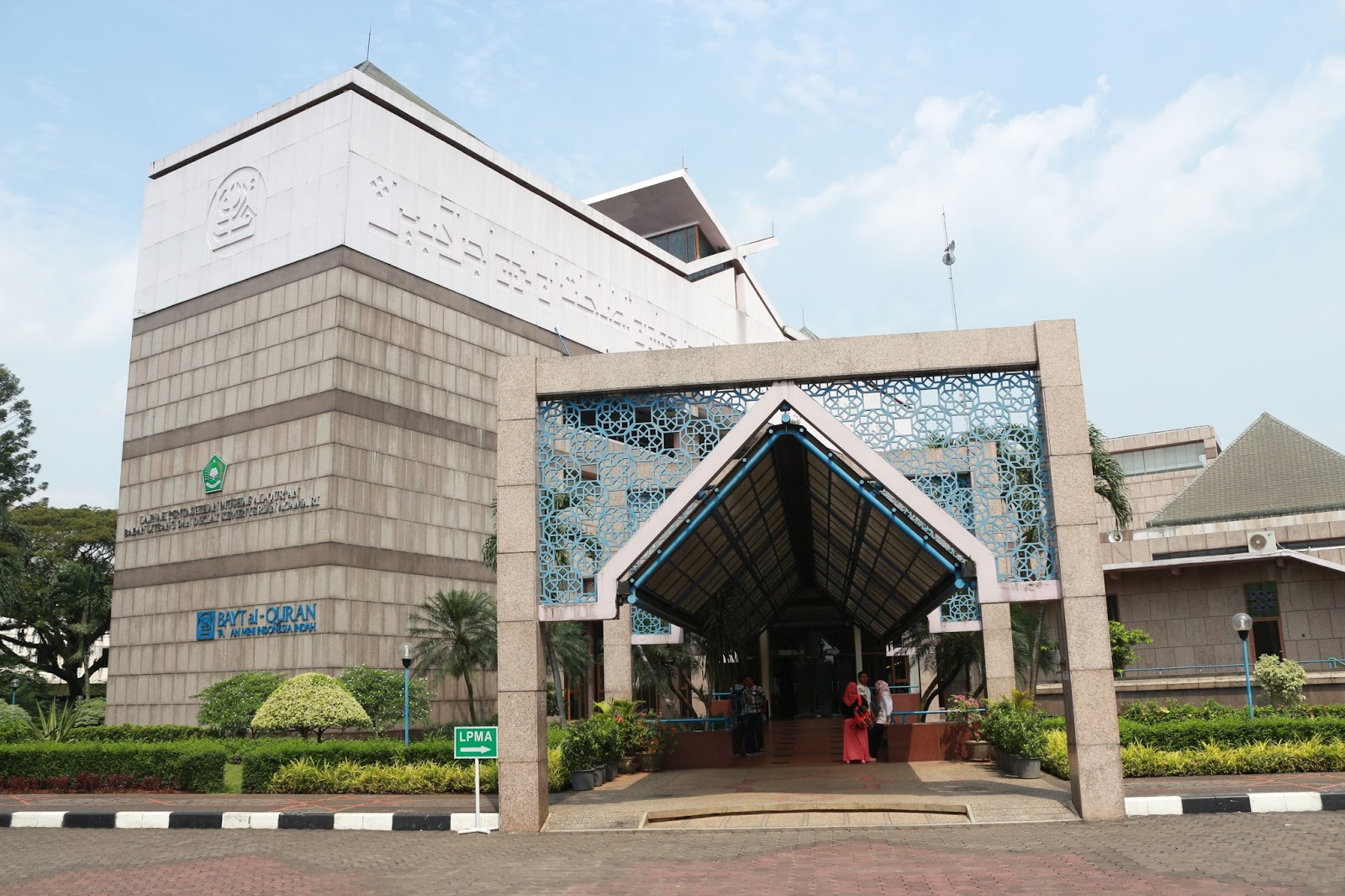
Image sources are identified on each photograph. Please verify the source page’s reuse and attribution requirements before public publication.
Cultural and Intellectual Exchange
The Caucus recognizes the extraordinary cultural diversity of Muslim communities throughout the Asia-Pacific region.
Muslim communities in South Asia, Southeast Asia, and East Asia possess distinct languages, histories, traditions, artistic expressions, educational institutions, intellectual traditions, and social practices.
The Caucus may therefore support cultural forums, exhibitions, lectures, publications, heritage programs, artistic initiatives, literary activities, conferences, and intellectual exchanges that promote understanding of the diverse contributions of Muslim communities throughout the region.
Migration and Diaspora Engagement
Migration and diaspora communities have played an important role in the development of Asia-Pacific societies.
The Caucus may support academic research and community programs concerning migration, diaspora identity, social participation, education, employment, intergenerational development, and community integration.
The organization seeks to encourage constructive dialogue concerning the experiences and contributions of Muslim communities while respecting the laws, cultures, constitutional systems, and social institutions of each country.
Environment and Sustainable Development
The Asia-Pacific region faces significant environmental and climate-related challenges, including coastal vulnerability, flooding, extreme weather, biodiversity loss, urbanization, and resource pressures.
The Caucus may therefore encourage research and cooperation concerning environmental protection, sustainable development, climate resilience, renewable energy, responsible resource management, sustainable cities, food security, and community preparedness.
Academic institutions, researchers, environmental organizations, businesses, and community groups may collaborate through conferences, research programs, educational initiatives, and community projects.
Healthcare and Public Health
Healthcare and public health represent important areas of potential cooperation.
The Caucus may facilitate academic and professional exchanges among physicians, nurses, public-health specialists, researchers, healthcare institutions, universities, and community organizations.
Potential areas of engagement include public health education, health technology, preventive healthcare, community health, healthcare research, emergency preparedness, health data systems, and professional development.
All healthcare-related activities should comply with the relevant professional, ethical, regulatory, and legal requirements of each jurisdiction.
International and Regional Dialogue
The Asia-Pacific Islamic Caucus may serve as a platform for structured dialogue among scholars, professionals, researchers, community leaders, civil-society representatives, and institutions.
Such dialogue may address issues affecting Muslim communities and wider society, including education, economic development, migration, technology, healthcare, humanitarian affairs, environment, culture, social development, and international cooperation.
The Caucus does not claim governmental or diplomatic authority. Its international engagement is intended to function primarily through civil society, academia, professional networks, community organizations, research institutions, and other lawful forms of institutional cooperation.
Institutional Structure
The Caucus may develop an organizational structure appropriate for a transnational Asia-Pacific civic and intellectual network.
Its proposed structure may include a General Assembly, International Executive Council, Secretariat, Advisory Council, regional councils, national chapters, and specialized working groups.
The three principal regional structures may include:
South Asia Regional Council
Southeast Asia Regional Council
East Asia Regional Council
National chapters may subsequently be established in countries within the Caucus's geographic scope, subject to applicable national laws and the organization's formal charter and membership regulations.
Specialized councils or working groups may also be established for education, research, science and technology, healthcare, economics, youth, women, humanitarian affairs, interfaith relations, culture, environment, migration, and other areas of strategic importance.
Membership
Membership may be open to qualified individuals and institutions whose activities and objectives are compatible with the principles of the Caucus.
Potential membership categories include:
Individual Members
Institutional Members
Academic and Research Members
Professional Members
Youth Members
Partner Organizations
Honorary or Distinguished Members
Membership requirements, rights, responsibilities, admission procedures, and institutional representation should be formally established through appropriate bylaws and membership regulations.
Partnerships
The Caucus may establish partnerships with universities, research centers, think tanks, Islamic organizations, professional associations, humanitarian organizations, businesses, technology institutions, cultural organizations, civil-society organizations, and other institutions whose objectives are compatible with its mission.
Partnerships should be based on mutual respect, transparency, clearly defined responsibilities, applicable laws, and institutional independence.
The Caucus may also develop cooperative relationships with regional and international academic, humanitarian, cultural, scientific, technological, and civil-society networks.
Governance and Institutional Standards
For long-term international credibility, the Asia-Pacific Islamic Caucus should operate under a clearly defined institutional framework.
This may include a formal Charter or Constitution, Bylaws, Code of Ethics, Membership Regulations, Conflict-of-Interest Policy, Financial Accountability Policy, Safeguarding Policy, Research and Publication Guidelines, Partnership Guidelines, and Data Protection and Privacy Policy.
National chapters should maintain appropriate registration, financial, tax, employment, reporting, safeguarding, and regulatory compliance according to the laws of their respective jurisdictions.
Non-Partisan Character
The Asia-Pacific Islamic Caucus is intended to remain non-partisan and independent of political parties and governments. It does not represent any government and does not possess governmental, legislative, judicial, executive, or diplomatic authority.
The Caucus provides a civic, intellectual, educational, research, and community-development platform. Individual members and participating institutions remain free to maintain their own lawful political, academic, religious, and personal views.
The organization seeks to promote informed dialogue rather than political alignment and encourages peaceful, lawful, and constructive participation in society.
Asia-Pacific Islamic Forum
One of the proposed flagship activities of the Caucus is an Asia-Pacific Islamic Forum, which may bring together scholars, academics, researchers, professionals, entrepreneurs, community leaders, youth representatives, women leaders, civil-society organizations, and institutional partners from South Asia, Southeast Asia, and East Asia.
The Forum may address contemporary issues relating to education, science, technology, healthcare, economics, community development, humanitarian affairs, culture, migration, environmental sustainability, interfaith relations, and the future of Muslim communities throughout the Asia-Pacific region.
Asia-Pacific Islamic Research Network
The proposed Asia-Pacific Islamic Research Network may connect researchers and academic institutions throughout South Asia, Southeast Asia, and East Asia.
It may support collaborative research, academic publications, conferences, seminars, research fellowships, knowledge repositories, and interdisciplinary projects.
The Network may encourage cooperation between Islamic scholarship and contemporary academic disciplines, creating opportunities for Muslim scholars and researchers to contribute to broader intellectual and scientific discussions.
Asia-Pacific Muslim Youth Network
The proposed Asia-Pacific Muslim Youth Network may provide a dedicated platform for young people throughout the region.
Its activities may include leadership programs, academic exchange, technology initiatives, entrepreneurship, research, cultural exchange, volunteerism, internships, community development, and youth conferences.
Asia-Pacific Women in Knowledge and Leadership Initiative
The proposed Women in Knowledge and Leadership Initiative may connect women scholars, researchers, educators, entrepreneurs, professionals, healthcare practitioners, community leaders, and social-development specialists throughout the region.
The initiative may focus on education, leadership, professional development, research, entrepreneurship, mentorship, innovation, and community service.
Long-Term Aspirations
Over the long term, the Asia-Pacific Islamic Caucus seeks to develop a durable network of communities and institutions capable of sharing knowledge and cooperating across national and regional boundaries.
Its aspiration is to become a recognized platform for Muslim intellectual, academic, professional, humanitarian, cultural, scientific, technological, and community engagement throughout South Asia, Southeast Asia, and East Asia.
The Caucus seeks to demonstrate that the extraordinary diversity of the Asia-Pacific region can provide a foundation for cooperation and that knowledge, dialogue, innovation, and service can create meaningful connections among communities.
Institutional Statement
The Asia-Pacific Islamic Caucus believes that Muslim communities throughout South Asia, Southeast Asia, and East Asia possess diverse experiences, traditions, professional capabilities, and intellectual resources that can contribute positively to their societies and to the wider Asia-Pacific region.
By connecting these communities and institutions, the Caucus seeks to encourage the exchange of knowledge, strengthen educational and professional networks, support scientific and technological innovation, promote humanitarian cooperation, encourage cultural understanding, and create opportunities for respectful dialogue.
The Caucus welcomes cooperation with individuals and institutions that share its commitment to peace, knowledge, ethical leadership, human dignity, social responsibility, education, innovation, and constructive engagement.
Our Guiding Message
Connecting Communities. Advancing Knowledge. Encouraging Dialogue. Serving Humanity.
The Asia-Pacific Islamic Caucus seeks to build bridges across communities, countries, institutions, cultures, and generations creating a platform through which knowledge can be shared, relationships can be developed, and constructive initiatives can be pursued for the benefit of Muslim communities and the wider societies of the Asia-Pacific region.